Ta-Nehisi Coates says Democrats face no choice but to change how they talk about Gaza, the war, and America’s role in the world.
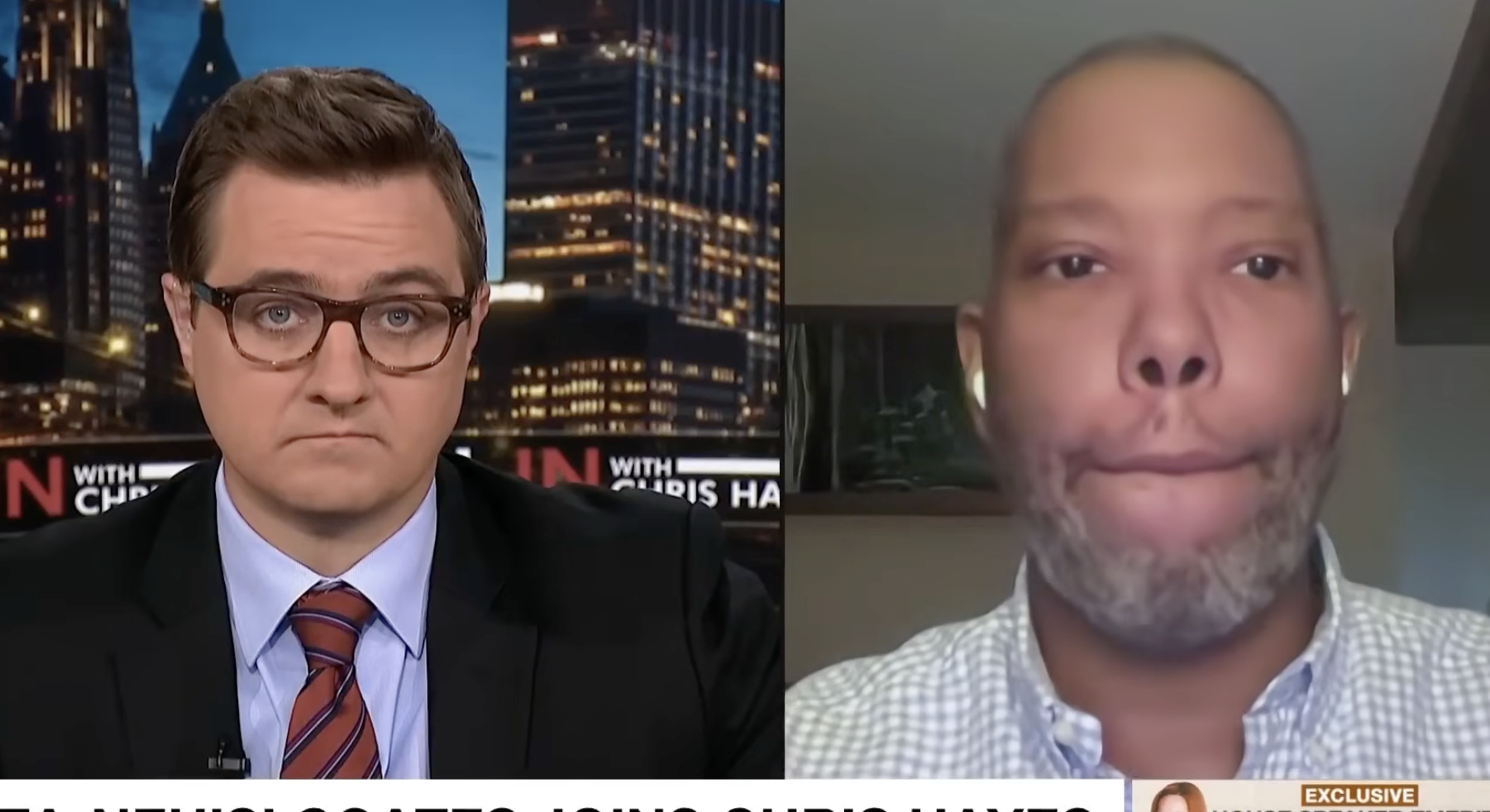
The author and National Book Award recipient made the case in an interview with anchor Chris Hayes on MS NOW, tied to his new Vanity Fair essay, The Next Black President.
“But I actually think practically you really, really have no choice,” Coates said, describing where he believes the Democratic Party is heading on Gaza and Israel.
Coates argued the shift is already underway.
He pointed to political energy on the left and named the protests at Columbia University as a force he sees reshaping outcomes.
“I don’t think Zoran Mamdani would be mayor of New York City without the protests at Columbia,” Coates said.
“There is very real political energy, you know,” Coates added, “around us that, as far as I’m concerned, has the right and correct moral view.”
Will Democrats reckon with that energy, or keep stepping around it?
Coates framed the question in moral terms first.
“I don’t know how you remain consistent by claiming an anti-apartheid legacy here in the United States of America while enforcing it abroad,” he said.
Regardless what leadership does, Coates said, “The party’s moving somewhere else on this.”
He drew a contrast with the heroes Democrats invoke.
Fannie Lou Hamer, famous for attempting to integrate the Mississippi delegation, was Coates said, “less famous for the fact that as early as 1965 she was speaking out against the Vietnam war.”
He pointed to Coretta Scott King, who he said spoke out before her husband and asked of Lyndon Johnson, “I do not understand how you can be so sympathetic to young black kids in Alabama and drop bombs on kids in Vietnam.”
Coates grounded his argument in the history of American power abroad. He cited the book How to Hide an Empire for the figure that the United States holds 800 overseas bases on foreign land, while all other countries together hold roughly 30, with Russia next at about seven.
He said the United States spent the 20th century and most of the Cold War “undermining democracies, overthrowing governments, plotting against people,” with a disproportionate amount of that violence directed at the Arab and Muslim world.
“These people remember things that we have had the imperial privilege of forgetting,” Coates said, adding that the point applies to white and black Americans alike. “we don’t get an exemption from that.”