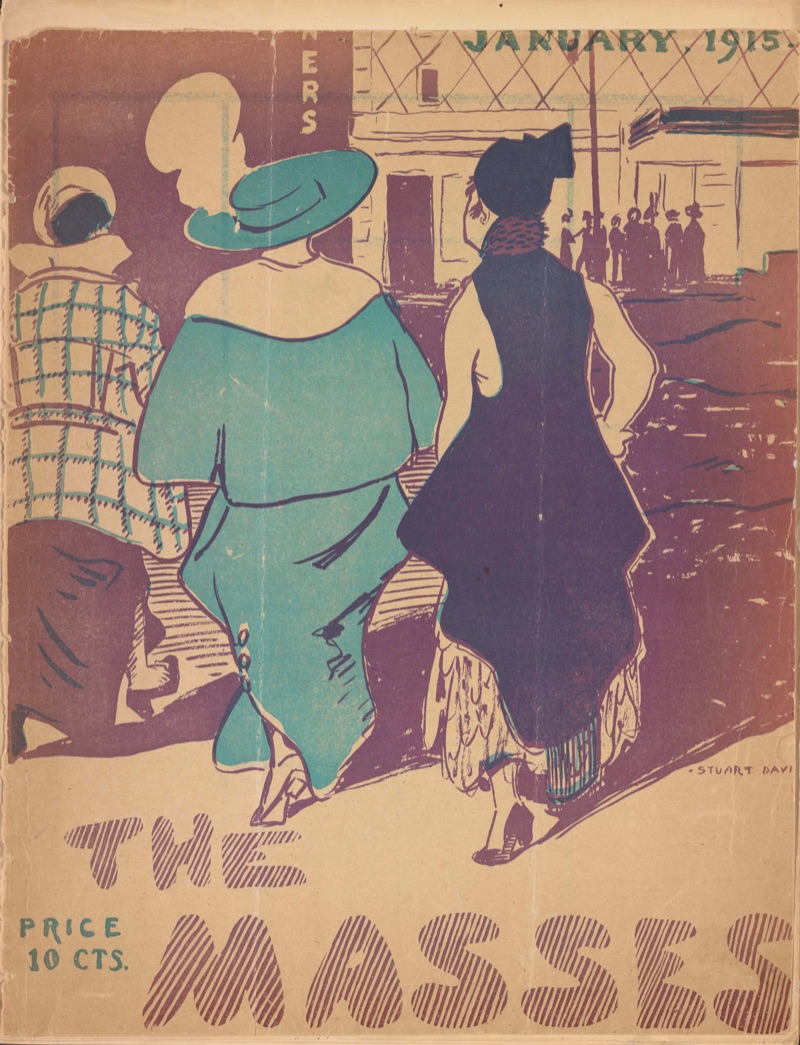
This issue of The Masses, Vol. VI, No. 4, published in January 1915, delves deeply into the societal consequences of capitalism and the exploitation of women. A central theme revolves around the plight of “nobody’s sister,” a metaphor for working-class women who are forced into a life of prostitution due to economic hardship. The magazine argues that these women, despite their profession, possess an honesty and charity unmatched by many others in society.
Another prominent topic is the critique of capitalist ideologies that justify wealth accumulation at the expense of the working class. The issue presents a call for socialism as a means to dismantle such exploitative systems and create a more equitable society. The publication also explores the hypocrisy inherent in Victorian morality, which condemns prostitution while turning a blind eye to the societal structures that drive women into such professions.
Throughout the issue, art and poetry are employed as powerful tools for commentary and social critique. For instance, James Henle’s poem “Not a Sparrow Falleth” challenges the notion of heavenly judgment and moral hierarchy within society, questioning whether even the humblest sparrows would be denied entry based on their station in life. Overall, this issue of The Masses serves as a powerful indictment of capitalism, the morality of its time, and a call for change through socialist ideologies.